November 18, 2026
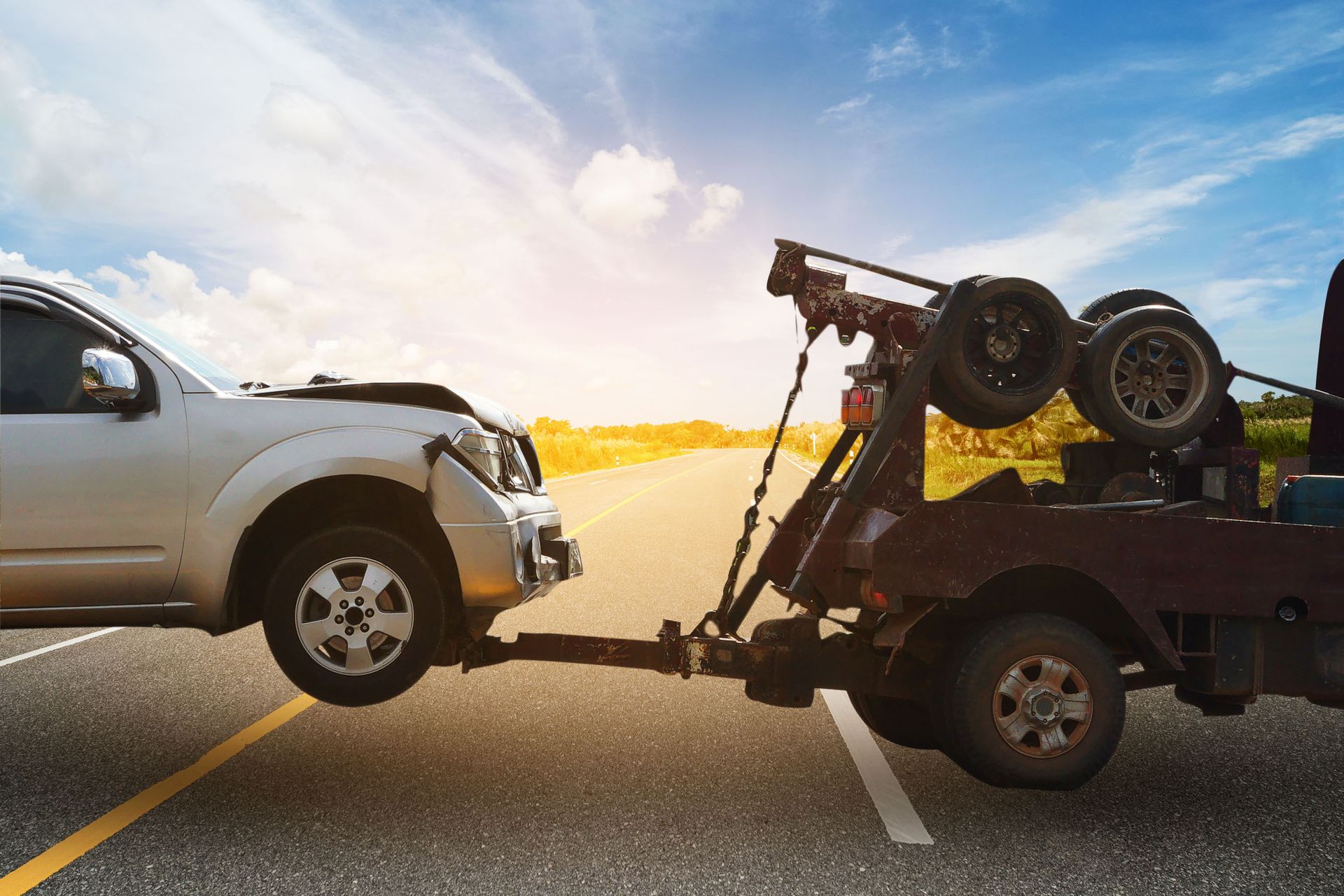
A blown trailer tire can turn a routine drive into a stressful roadside situation, especially when the nearest town is far away. Traffic may be sparse, cell service may be unreliable, and the shoulder may offer little room. A driver may also be carrying a loaded trailer, making an already difficult situation more complicated. Staying calm and following a deliberate response can help protect everyone nearby while limiting further damage.
Preparation matters, but so does knowing what to do when a tire fails without warning. A safe response begins with getting the vehicle out of danger, assessing the scene, and deciding whether the tire can be changed safely or professional assistance is needed. Access to mobile truck and trailer repair can be especially valuable when a breakdown happens far from a shop or service center.
Before departure, review the planned route for safe stopping areas and service access. Mobile truck and trailer repair availability can reduce uncertainty if a tire fails unexpectedly.
Move the Truck and Trailer to a Safe Position
When a tire blows, maintain a firm grip on the steering wheel and avoid sudden braking or sharp steering corrections. Ease off the accelerator and allow the vehicle to slow gradually. Once the truck is stable, signal and move toward a wide, level shoulder or another safe area away from moving traffic. Avoid stopping just beyond a curve, on a narrow bridge, or near the crest of a hill where approaching drivers may not see the rig in time.
After stopping, activate the hazard lights and keep a safe distance from traffic. If the shoulder is narrow, soft, sloped, or otherwise hazardous, do not attempt a roadside tire change. The trailer's weight can make an unstable surface especially dangerous. Occupants should move to a protected location when it is safe to do so, preferably well away from the roadway and never between the truck and passing traffic.
A technician offering mobile truck and trailer repair can evaluate the tire and nearby components at the scene, helping determine whether the rig is safe to continue.
Assess the Damage Before Taking Action
Once secure, look over the affected area from a safe position. Check whether the tire tread has separated, the sidewall has torn, or debris has damaged nearby components. A blowout can affect more than the tire itself. Pieces of rubber may strike brake lines, wiring, fenders, mud flaps, or other parts around the wheel. Do not crawl beneath a trailer or reach into a hazardous area to investigate.
A visual check can determine what information to give a repair provider, but it should not become an attempt to diagnose a problem beyond your training. Note the tire's location on the trailer, any visible damage, and whether the wheel appears tilted or displaced. If the rim is damaged, the hub is unusually hot, or smoke or fluid is present, avoid moving the vehicle until a qualified technician has assessed it.
Drivers who notice vibration, pulling, unusual noise, or changed handling should promptly seek mobile truck and trailer repair. These signs may point to tire or wheel trouble.
Understand Why Tire Problems Deserve Attention
Tire failures are a significant roadside concern for commercial drivers. According to Carsurance, tire-related problems account for 54% of roadside breakdown cases. That figure highlights why tire condition deserves attention before a trip and why a failure should be treated as more than a minor inconvenience. A damaged tire can interrupt a delivery, create a traffic hazard, and potentially affect nearby equipment.
Heat, underinflation, overloading, worn tread, impact damage, and neglected inspections can all contribute to tire trouble. Long stretches of highway can place sustained demands on tires, while rough shoulders and road debris can add unexpected risks. Regular inspections do not guarantee that a blowout will never happen, but they can reveal warning signs before a tire becomes unsafe. Drivers should follow the tire and vehicle manufacturers' guidance for pressure, load limits, and maintenance.
Decide Whether a Roadside Tire Change Is Safe
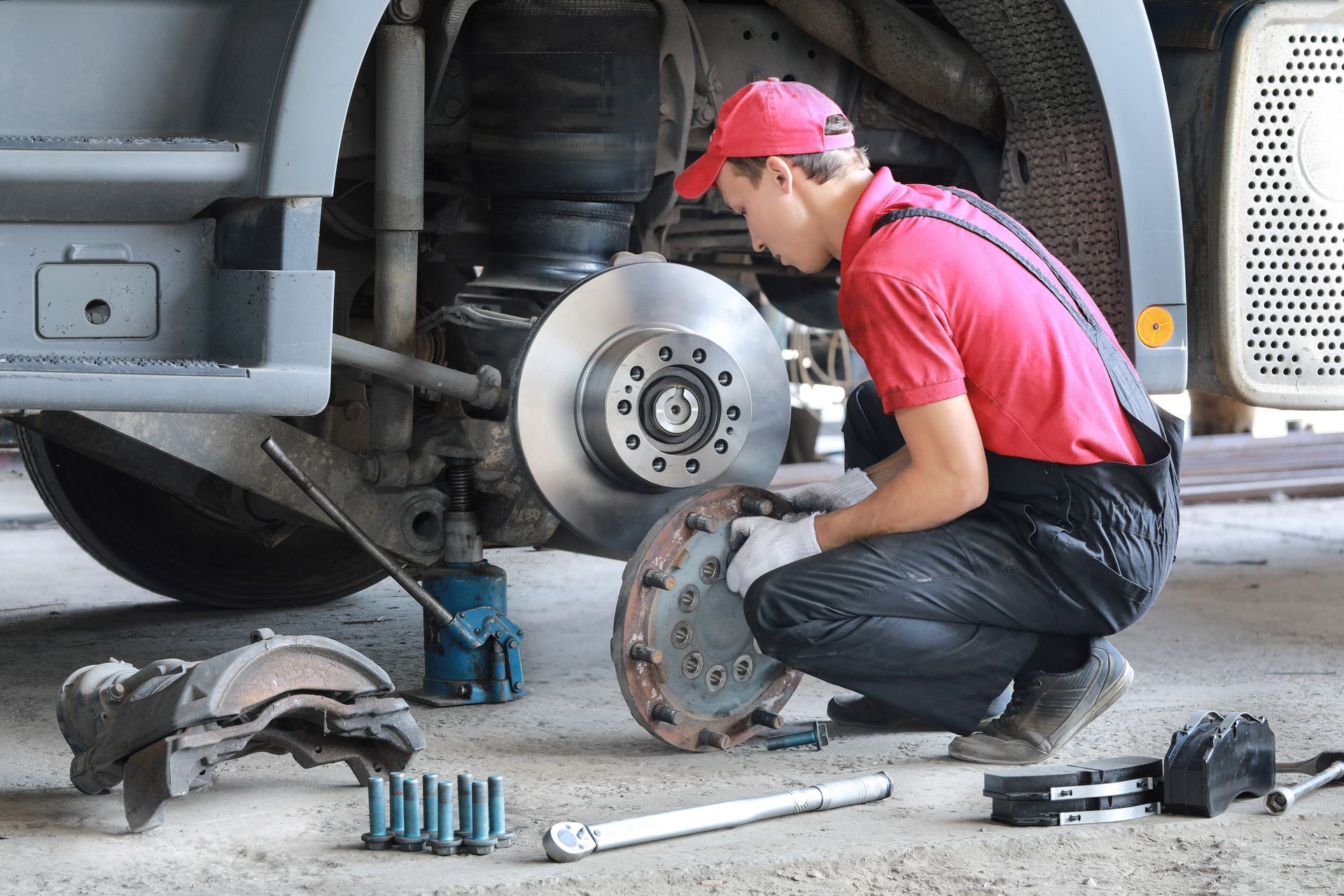
Changing a trailer tire on the shoulder may seem like the fastest solution, but speed should never take priority over safety. A suitable location, stable ground, proper equipment, and enough clearance are essential. The trailer must be secured against movement, and the lifting points and jack must be appropriate for the vehicle and load. Improper lifting can cause the trailer to shift or fall, creating a serious risk of injury.
A driver should not attempt the job without the correct tools, a compatible spare, and confidence in the procedure. A loaded trailer may require equipment that is not carried in a standard roadside kit. If traffic is close, the ground is unstable, the wheel assembly is damaged, or the spare is unsuitable, mobile truck and trailer repair is the safer choice. It can bring the equipment and expertise to the breakdown location rather than requiring the driver to reach a distant facility.
Keep the tire size, load rating, and other relevant specifications available when arranging mobile truck and trailer repair. Accurate details help avoid delays caused by incompatible replacements.
Share Clear Details When Requesting Assistance
When contacting a repair provider, explain the location as precisely as possible. Useful details include the highway or road name, direction of travel, nearest exit or landmark, and any mile marker that can be identified safely. If phone navigation is available, sharing a location pin can reduce confusion. Mention whether the vehicle is on a shoulder, at a rest area, or in another accessible place, and describe any limitations that could affect the technician's approach.
Provide details about the truck and trailer, the tire's position, and the visible condition of the wheel area. Explain whether the trailer is loaded and whether there appears to be damage beyond the tire. Clear information helps the provider determine what tools, replacement parts, and service vehicle may be needed. It can also help establish whether the situation calls for a tire replacement or a broader inspection before the rig returns to the road.
Remote breakdowns can involve limited lighting, changing weather, or poor reception. Describe these conditions when requesting mobile truck and trailer repair so the provider can plan accordingly.
Prepare for the Road Ahead
After a replacement or repair, do not assume the problem is fully resolved simply because the tire is holding air. The wheel should be checked for proper installation, and the surrounding area should be examined for damage caused by the blowout. Follow the technician's recommendations about lug-nut checks, tire pressure, load limits, and any additional work. If another tire shows signs of damage or abnormal wear, continuing the trip without addressing it may create another roadside problem.
Prevention begins before departure. Check tire pressure when the tires are cold and use a reliable gauge rather than judging inflation by appearance. Look for cracks, bulges, cuts, exposed cords, uneven wear, and objects lodged in the tread. Confirm that the spare is serviceable and that the necessary tools are present. Keep reflective warning devices, a charged phone, and roadside contact information accessible.
A remote blowout can be unsettling, but a measured response helps keep a difficult situation from becoming more dangerous. Move away from traffic, avoid unsafe repairs, communicate the location clearly, and rely on
mobile truck and trailer repair when the conditions or damage call for it. When a trailer tire fails far from town, contact IFS Transport Repair for roadside assistance and get the support needed to move forward safely.