September 17, 2026
Operating a heavy commercial rig across long stretches of interstate highway requires absolute confidence in every mechanical safety system beneath the chassis. Among all primary assemblies, the pneumatic braking system stands as the ultimate safeguard between a routine delivery and a severe highway emergency. When pressure drops unexpectedly, commercial drivers must react with speed, clarity, and disciplined control. Investing in timely truck and trailer repair guarantees that minor air leaks do not evolve into catastrophic mechanical breakdowns on remote highways.
Modern heavy vehicles rely on compressed atmospheric air stored in multiple reservoirs to deliver stopping power to tractor and trailer axles. Unlike hydraulic systems in passenger cars, air brakes utilize compressed air networks that introduce distinct failure points demanding vigilant driver monitoring. A sudden pressure drop can quickly lock emergency spring brakes or compromise total braking capacity, creating instant dangers on busy roadways. Staying informed about air brake operations and adopting proactive maintenance habits forms the best defense against catastrophic highway accidents.
Identifying Early Symptoms of Pneumatic System Failure
Long before complete air brake failure occurs, pneumatic systems typically display early warning signals that alert drivers to underlying trouble. Dash low-pressure lights and warning buzzers trigger well before reservoir air pressure drops to unsafe operational levels. A slow buildup rate during engine startup often points to a worn compressor belt, a failing governor, or minor system leaks. Drivers who routinely monitor dash gauges will identify these subtle warning signs before they lead to severe operational hazards.
Unusual mechanical noises during brake pedal application also indicate that pneumatic components require prompt diagnostic attention from qualified mechanics. Loud squealing, harsh grinding, or heavy air venting when depressing the foot valve signals worn friction linings or misadjusted slack adjusters. Furthermore, if a trailer pulls toward one side during deceleration, air pressure may be distributing unevenly across axles due to leaking gladhand seals. Quality truck and trailer repair protocols resolve these mechanical imbalances quickly, restoring balanced stopping force across all axles.
Moisture buildup inside pressurized air reservoirs represents another subtle hazard that gradually undermines overall braking performance over time. Desiccant air dryers continuously work to strip water vapor and oil contaminants from compressed air before reaching delicate internal valves. When air dryers fail, or manual tank draining schedules are ignored, accumulated moisture creates a thick sludge that clogs valve ports. Scheduling regular truck and trailer repair service ensures air dryers and purge valves are inspected to prevent dangerous winter moisture freeze-ups.
Executing Defensive Maneuvers During Air Pressure Loss
When a commercial rig experiences sudden depressurization at highway speeds, a driver must remain composed and perform controlled defensive actions. The sudden activation of low-pressure buzzers requires immediate physical preparation rather than panicked steering or aggressive braking inputs. Operators should firmly grip the steering wheel, maintain lane position, and check surrounding traffic through side mirrors. Pumping the brake pedal frantically must be avoided, as rapid pumping quickly exhausts remaining air reserves stored in emergency tanks.
Understanding how emergency spring brakes function during severe depressurization is critical for stopping a heavy commercial rig safely. When air pressure falls below critical levels, powerful mechanical springs automatically force brake shoes against drums to halt the vehicle. This sudden mechanical application generates strong deceleration forces that can cause a dangerous jackknife on slippery road surfaces or curved lanes. Drivers must anticipate this sudden lockup by steering straight, easing off the accelerator, and guiding the vehicle toward a safe stopping zone. Requesting professional truck and trailer repair immediately after coming to a complete stop ensures the vehicle is safely inspected.
Once the vehicle comes to a complete standstill on the highway shoulder, deploying reflective triangles and activating hazard lights must happen immediately. Drivers should never attempt to manually cage spring brakes or crawl beneath a disabled rig on an active highway shoulder. Trained mobile technicians equipped with specialized tools are required to handle severe pneumatic failures safely on scene. Relying on certified truck and trailer repair specialists guarantees that air valves and mechanical actuators are repaired according to strict safety standards.
Implementing Proactive Maintenance Routines for Commercial Fleets
Preventing sudden air brake failures begins long before a heavy vehicle enters active interstate traffic. Comprehensive pre-trip inspections allow commercial drivers to spot leaking hoses, worn friction shoes, and loose fittings before leaving terminal yards. Testing pressure buildup rates, checking static pressure drop, and verifying warning buzzers are critical daily steps for safe fleet operations. According to IBISWorld, the commercial trailer maintenance sector in the United States expanded by an annual rate of 1.7% between 2018 and 2023, reflecting a strong industry-wide commitment to mechanical reliability.
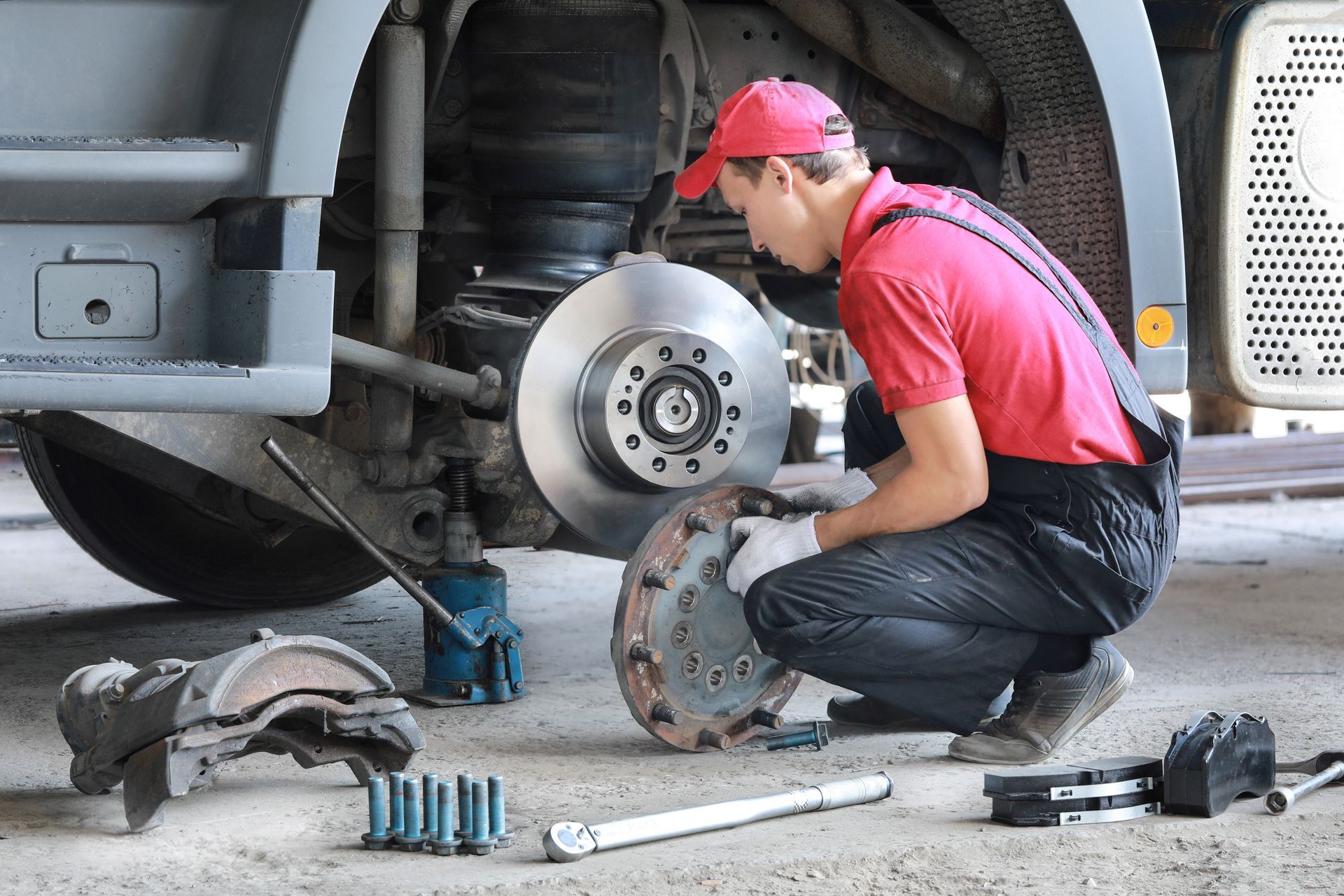
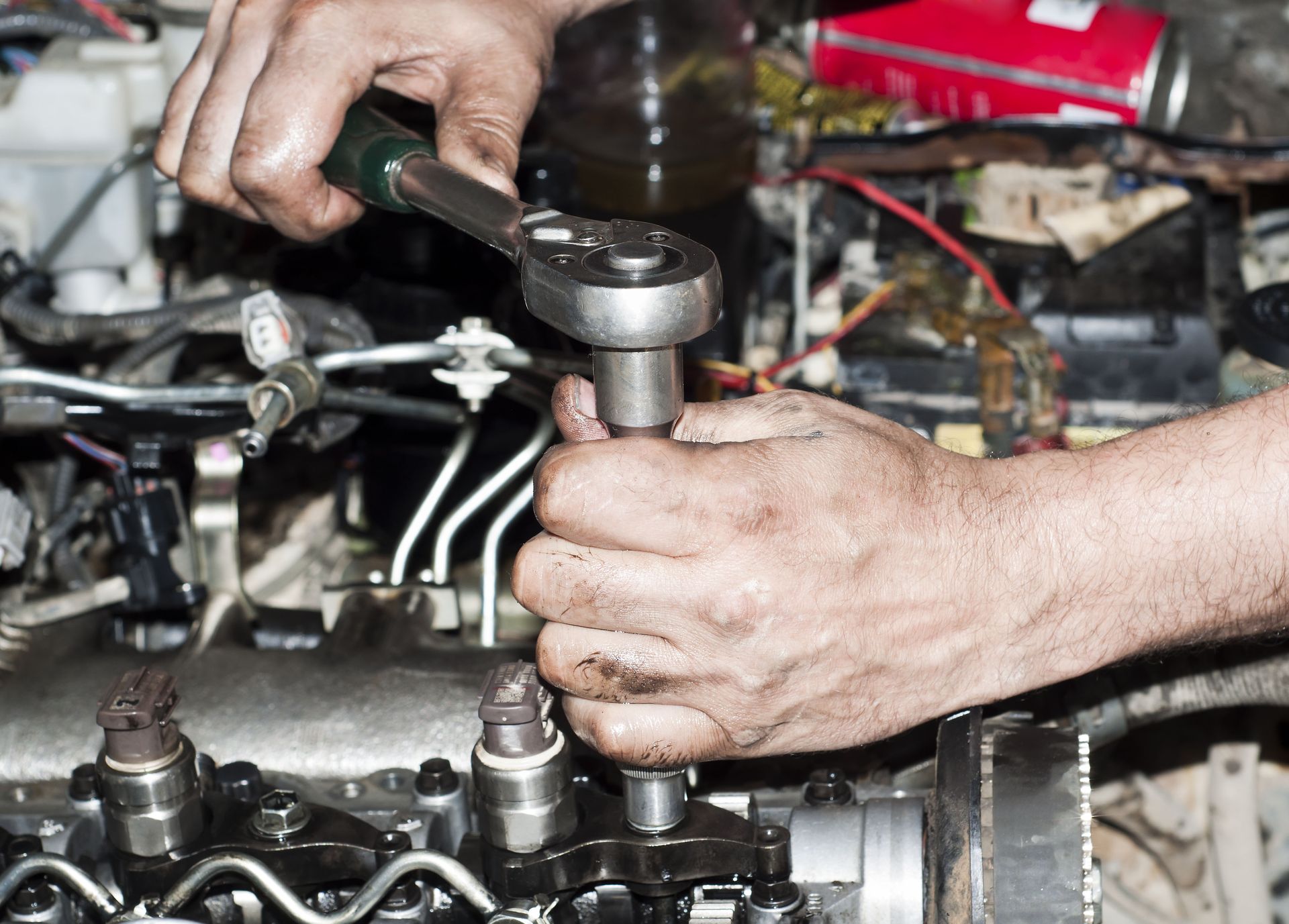
Scheduled preventive maintenance programs performed by certified technicians ensure that subtle pneumatic wear is identified and corrected systematically. During routine shop visits, mechanics test compressor efficiency, measure pushrod travel, and calibrate automatic slack adjusters for maximum braking power. Partnering with established truck and trailer repair shops provides fleet managers with thorough digital maintenance records necessary for regulatory safety compliance. Regular shop inspections extend component lifespans while giving drivers maximum confidence during demanding long-haul routes.
Investing in premium replacement parts during scheduled maintenance visits prevents premature component failures on demanding highway routes. High-grade friction linings, reinforced air lines, and heavy-duty air dryers endure extreme thermal heat and road vibration far better than budget parts. Replacing aged rubber air lines with braided stainless steel hoses minimizes the risk of sudden punctures caused by highway debris. Fleet operators who pair top-grade replacement parts with expert mechanical service create a resilient operational foundation that minimizes unplanned downtime.
Partnering With Professional Services for Roadside Emergencies
When unexpected pneumatic failures occur in remote locations, access to a responsive mobile repair network is vital for commercial drivers. Swift response times minimize dangerous roadside exposure for operators and prevent costly freight delays on time-sensitive delivery schedules. A trustworthy service provider offers fully equipped mobile repair units capable of performing complex pneumatic diagnostics directly at the breakdown site. Establishing relationships with mobile truck and trailer repair providers before emergencies happen ensures fast communication during critical roadside breakdowns.
A qualified service provider must possess specialized diagnostic expertise across tractor air supply systems and complex trailing unit controls. Trailing units frequently feature advanced antilock braking systems, automatic slide locks, and air suspension controls requiring specialized diagnostic tools. Technicians who understand how tractor protection valves interact with trailer air supply lines can quickly identify air leaks and pressure drops. Working with skilled mechanics ensures heavy transport equipment remains fully compliant with strict federal motor carrier safety standards.
Maintaining commercial air brake systems in peak operational condition is an ongoing responsibility that directly protects lives on public highways. By recognizing early warning signs, executing calm emergency procedures, and maintaining proactive service schedules, commercial drivers can handle air brake challenges effectively. Protecting heavy commercial vehicles against mechanical downtime requires continuous dedication to vehicle safety, driver training, and expert mechanical care. Utilizing dependable
truck and trailer repair partners allows commercial fleets to navigate long highway routes with complete peace of mind.
At IFS Transport Repair, we are dedicated to keeping your commercial vehicles operating safely, efficiently, and without unexpected mechanical delays. Our team of certified technicians delivers complete diagnostic, preventive, and emergency repair options tailored specifically to meet the rigorous demands of modern fleet operations. Contact us today to schedule your next comprehensive inspection or emergency service, and let us keep your commercial equipment rolling safely across every highway.