July 17, 2026
Ensuring the regular maintenance of commercial vehicles is an essential aspect of fleet logistics. Heavy rigs play a pivotal role in delivering goods safely over massive distances, making their mechanical upkeep absolutely critical. By prioritizing professional truck and trailer repair services, operators can mitigate catastrophic on-road risks and optimize performance, leading to improved safety standards. This article explores several key reasons why investing in top-notch repair services is an absolute necessity for modern transportation businesses. From safety enhancements to strict legal compliance, every single facet of preventative maintenance impacts your vehicle's long-distance journey and your company's bottom line.
1. Enhance Safety and Performance
Operating a commercial fleet safely requires a highly proactive approach to mechanical health. Regular maintenance schedules offer the best tool against unexpected equipment failures that threaten both the driver and other road users. This process involves systemic checks of your vehicles, ensuring they operate within standard safety margins. When fleet managers invest in advanced truck and trailer repair protocols, they are actively protecting their human assets on the highway.
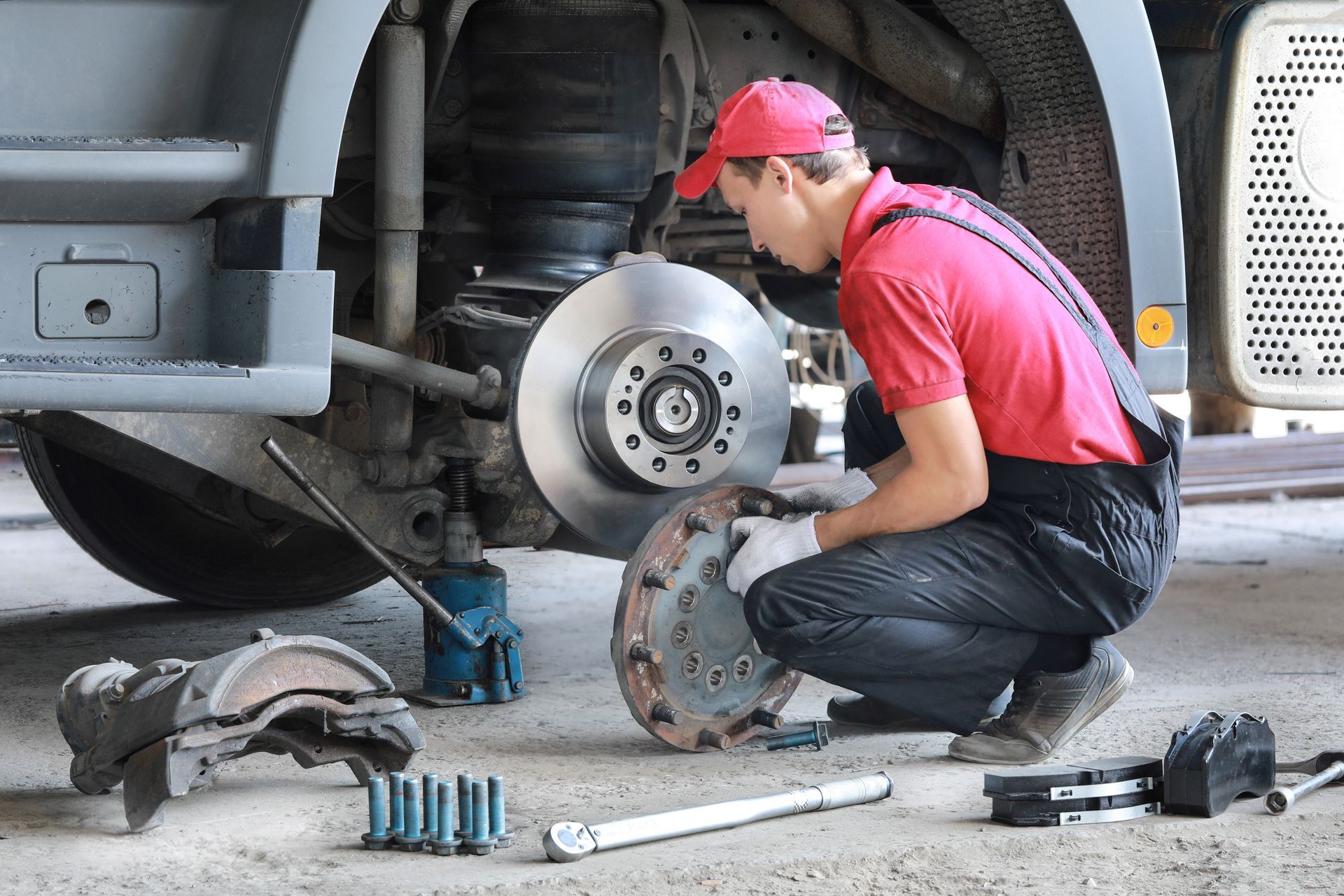
Advancements in technological design have revolutionized braking systems in modern commercial rigs. Enhanced braking capabilities reduce stopping distances and improve driver steering control, especially in adverse winter weather conditions. Structural repairs such as professional welding and frame alignment ensure that your fleet maintains its physical integrity under heavy cargo loads.
Unexpected roadside breakdowns can occur at the most inconvenient times, disrupting tight shipping schedules. A well-maintained vehicle minimizes this operational risk, ensuring consistent delivery performance.
According to a joint report from the American Trucking Associations’ (ATA) Technology & Maintenance Council and Decisiv, the industry tracks more than 300,000 monthly maintenance and repair events across more than 5,000 service locations. This highlights the immense scale and necessity of professional mechanical maintenance.
2. Improve Fuel Efficiency
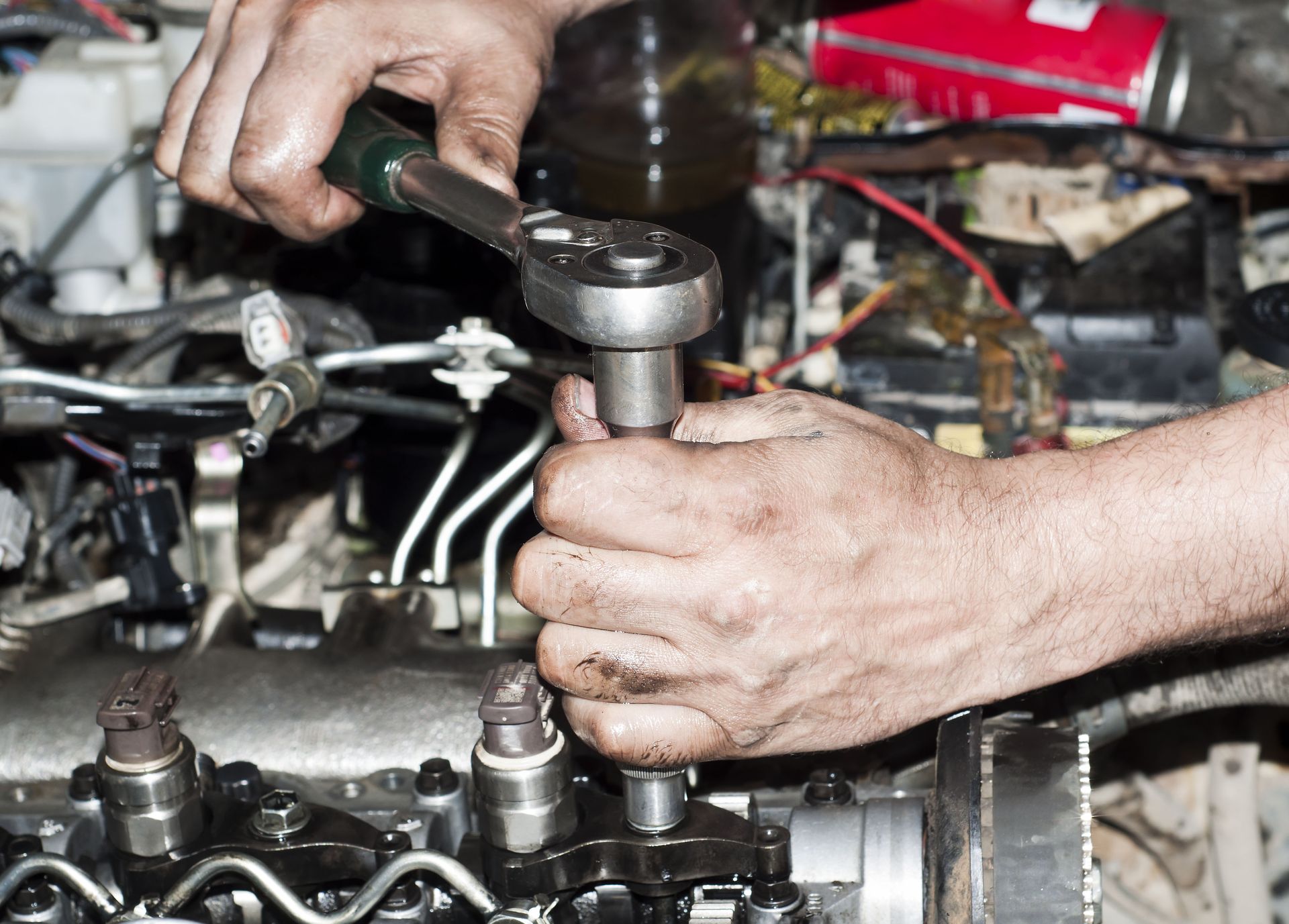
With diesel prices constantly shifting, maximizing your miles per gallon is critical for maintaining healthy profit margins. Proper engine tuning can lead to immediate, measurable improvements in daily fuel consumption rates. By calibrating complex engine parameters to their optimal factory levels, heavy vehicles can achieve significantly better mileage. This mechanical tuning process involves precise adjustments that ensure the engine operates smoothly and burns fuel with maximum efficiency.
The direct impact of tire condition on overall fuel economy is substantial, highlighting the crucial importance of maintaining proper tire pressure and geometric wheel alignment. Under-inflated tires cause increased rolling resistance, forcing the powertrain to work much harder and consume excess fuel. Regular alignment checks ensure that tires roll smoothly, optimizing efficiency while ensuring tread wears evenly across every axle. Designing trailers with aerodynamic enhancements, such as side skirts, further minimizes air resistance to maximize fuel savings. By making routine truck and trailer repair a standard part of your business model, you minimize mechanical drag.
3. Prolong Vehicle Lifespan
Commercial assets represent a massive capital investment, meaning maximizing their operational life is a core financial goal. Engine longevity is heavily influenced by routine oil changes and filter replacements. Clean oil reduces friction and dangerous heat buildup among internal engine components, preventing premature wear. Over time, engine oil naturally accumulates carbon particles and chemical impurities, which can cause severe internal damage if left unaddressed. Regular oil changes protect your engine's internal components, extending the vehicle's usable lifecycle.
Executing timely part replacements before they fail completely is another crucial strategy for extending vehicle life. Comprehensive vehicle inspections help identify worn components—such as cracked belts, old hoses, and clogged filters—before they snap or cause peripheral damage. Furthermore, the structural chassis and frame serve as the physical foundation of the vehicle, making regular structural maintenance essential. Taking steps to prevent severe rust saves thousands of dollars in premature replacement costs. Prioritizing consistent truck and trailer repair ensures your fleet stays active for years.
4. Enhance Vehicle Resale Value
When the time comes to cycle old equipment out of your active fleet, the physical condition of your assets dictates your return on investment. A vehicle's aesthetic appeal and mechanical health significantly affect its eventual appraisal value. Regular detailing, structural paint touch-ups, and the prompt removal of body dents enhance visual appeal and elevate immediate market value. Savvy buyers are always willing to pay more for used vehicles that look well-cared for, as it reflects responsible, disciplined ownership practices.
Updating and organizing your maintenance documentation can also boost resale value significantly. Prospective buyers consistently seek written verification that a commercial vehicle has been carefully maintained, and comprehensive service records provide this validation. Keeping an itemized history of all part replacements, safety upgrades, and major system overhauls builds buyer confidence. Ensuring your asset stays in line with baseline truck and trailer repair standards guarantees you can command top dollar on the secondary market.
5. Cost Savings in the Long Run
Many fleet operators mistakenly view routine maintenance as a draining expense, but it is actually an exceptional cost-saving mechanism. Emergency roadside repairs are historically much more expensive than scheduled preventative maintenance visits. A planned shop visit allows you to catch minor issues early, preventing them from morphing into catastrophic failures that require expensive towing services and emergency overnight labor fees. The money saved by executing preemptive maintenance work far outweighs the massive operational liabilities associated with an on-road breakdown.
Beyond avoiding emergency bills, maintaining an exemplary service history can yield substantial secondary financial benefits. Insurance companies frequently offer reduced premium rates for transport fleets that display a clean, documented track record of mechanical safety and regular upkeep. Routine care also ensures that factory warranty coverages remain fully valid, safeguarding your business from paying out-of-pocket for eligible component defects. Reducing regular wear and tear through structured truck and trailer repair maximizes your weekly operational hours.
6. Compliance and Legal Obligations
Operating commercial vehicles involves adhering to a strict network of state and federal transportation laws. Compliance with mandatory highway safety regulations necessitates a disciplined schedule of regular inspections and mechanical maintenance. Ensuring your fleet completely aligns with mandated stopping distances, structural weight limits, and lighting configurations protects your business from expensive Department of Transportation citations, heavy legal fines, and severe operational restrictions that harm profitability.
Meeting modern environmental emission standards is another critical legal obligation for transport companies. Regular mechanical maintenance ensures that your engine's emission control systems, diesel particulate filters, and exhaust networks function at peak performance, keeping your vehicles fully compliant with local air quality laws. Contributing directly to public road safety by keeping your equipment in top mechanical condition also mitigates catastrophic corporate liability risks. Staying updated with continuous technological advancements protects your legal eligibility to operate across diverse state lines, preserving your fleet's long-term commercial compliance.
The diverse advantages of routine commercial maintenance highlight its critical role in long-term logistics success. Not only do these mechanical efforts protect public safety and enhance over-the-road performance, but they also significantly improve a fleet's daily economics by optimizing fuel efficiency and extending vehicle lifespans. Ensuring absolute legal compliance and maximizing secondary resale metrics proves that consistent maintenance is a highly prudent investment. Prioritizing specialized truck and trailer repair services secures your short-term operational stability while unlocking substantial long-term financial gains.
When you are ready to secure your fleet's on-road reliability, partner with the experienced technicians at IFS Transport Repair to optimize your commercial vehicles today.